
For food manufacturers, mayonnaise production is both an art and a precise science. The consistent quality, texture, and stability that consumers expect are not achieved by chance, but through advanced engineering. The industrial mayonnaise emulsifier is the critical piece of equipment that makes this possible. Understanding its technology and proper application is essential for any producer aiming for efficiency, quality, and market leadership.
The Technical Core: Why Emulsification is Non-Negotiable
Mayonnaise is a high-fat, concentrated oil-in-water emulsion. Creating a permanent, stable blend of 70-80% oil with water, egg, and acid requires overcoming significant physical forces. The goal is to reduce oil droplets to a uniform micron size and coat them with emulsifiers (like lecithin from egg yolk) to prevent them from re-coalescing. Inadequate emulsification leads directly to:
- Product Failure: Visible phase separation (oiling out or watery syneresis).
- Poor Quality: Coarse, greasy texture and inconsistent viscosity.
- Operational Waste: Batch inconsistencies, rework, and shortened shelf life.
Key Features of a Modern Mayonnaise Emulsifier
To meet these challenges, high-performance systems integrate several technologies:
-
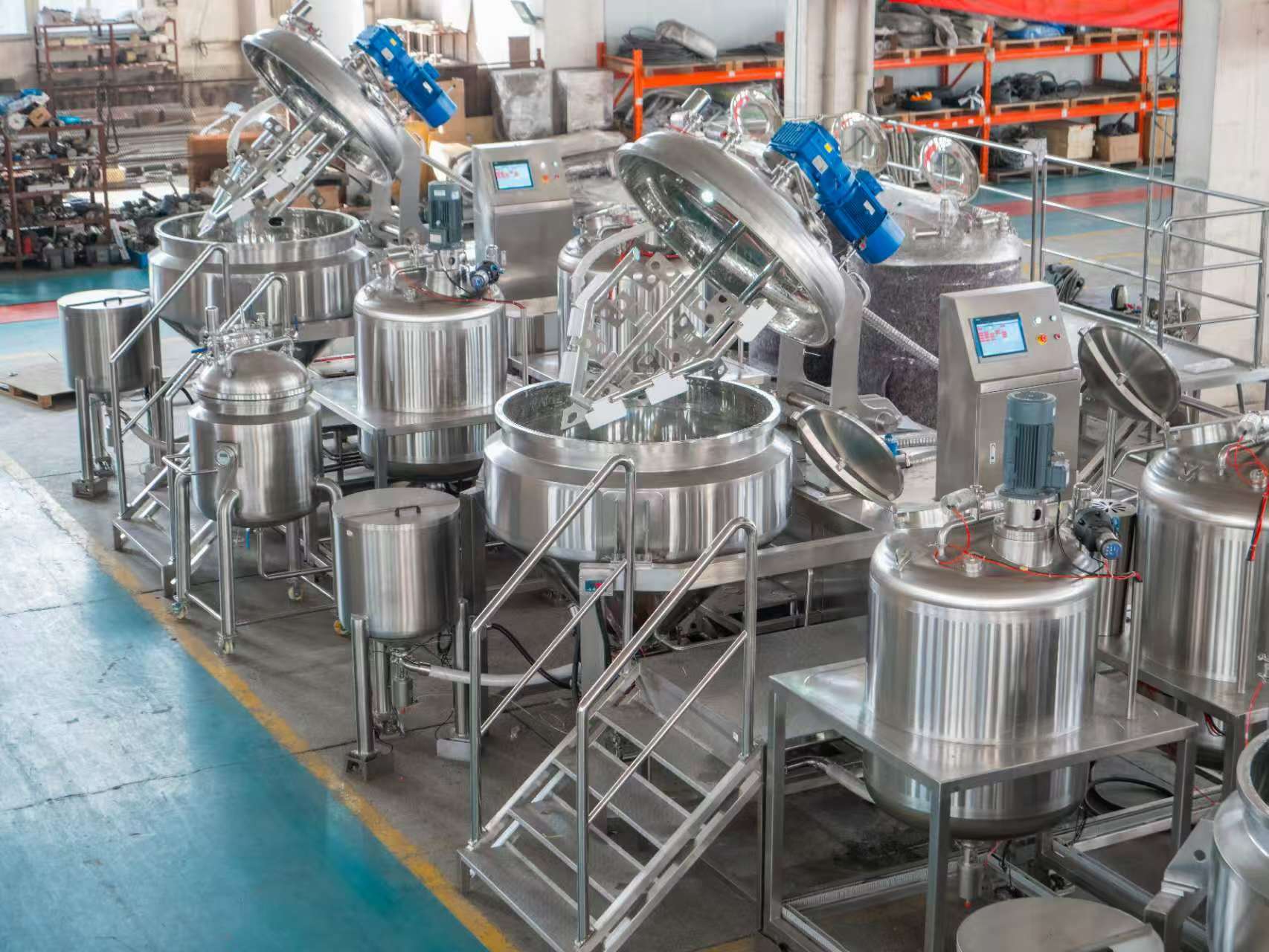
High-Shear Homogenization: A high-speed rotor-stator generator applies intense mechanical energy, creating the fine, stable emulsion base. The shear rate and energy input are precisely controlled to achieve the target droplet size and creamy texture.
-
Vacuum Processing: Operating under vacuum removes entrapped air. This prevents oxidation (extending shelf life), eliminates air bubbles for a denser, glossier product, and improves overall stability.
-
Precise Temperature Control: Jacketed vessels with heating/cooling allow optimal temperature management during ingredient incorporation and rapid cooling to “set” the final product structure.
-
Automation & Programmability: Modern systems use PLC controls for recipe storage and automated sequences, ensuring perfect batch-to-batch reproducibility and reducing operator error.
The Business Case for Advanced Technology
Investing in the right emulsifier delivers clear returns:
- Consistent, Premium Quality: Produce mayonnaise with perfect texture, spreadability, and long-term stability, supporting a premium brand position.
- Increased Production Efficiency: Drastically reduce processing times, increase throughput, and lower energy costs per unit.
- Formulation Flexibility: Successfully produce a wide range of products, including low-fat, clean-label, and flavored varieties.
- Reduced Costs & Waste: Minimize product giveaway and rework through precise control and extended shelf life.
- Food Safety & Compliance: Hygienic design (CIP/SIP, 316L stainless steel) supports compliance with global food safety standards.
Making the Right Choice: Selection Considerations
When selecting an emulsifier, consider:
- Production Scale: Match batch size capacity to your output needs, from pilot-scale R&D to full production.
- Viscosity & Formulation: Ensure the machine can handle your thickest, highest-oil recipes.
- Level of Integration: Consider automation needs for ingredient feeding and connection to filling lines.
- Supplier Expertise: Choose a partner with proven experience in food processing who offers strong technical support and service.