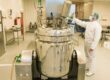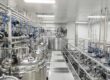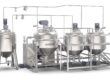

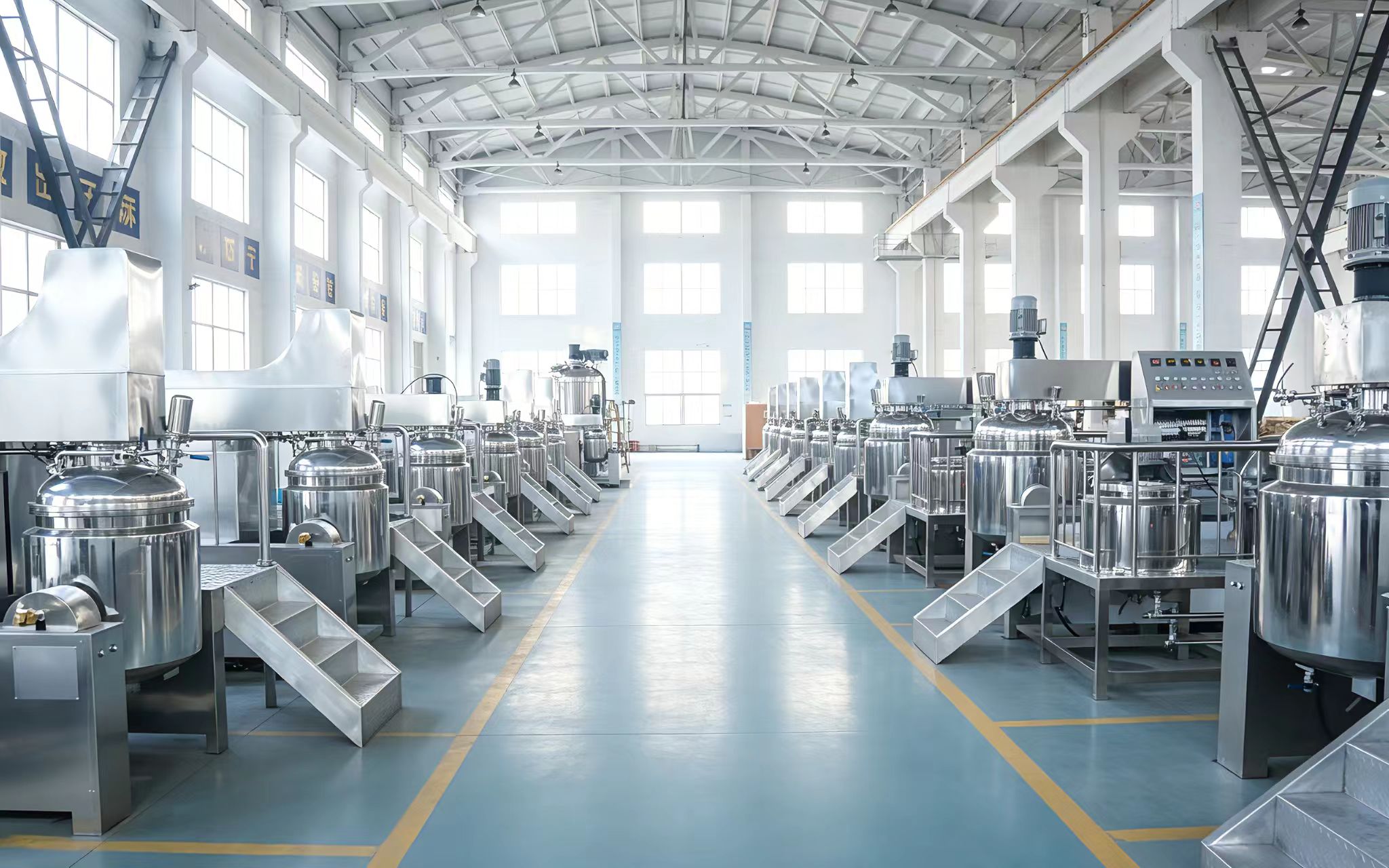
In the global food manufacturing sector, mayonnaise production represents a significant and growing market segment where product quality, consistency, and efficiency are paramount. Achieving the perfect emulsion—a stable, creamy, and flavorful condiment—requires more than just mixing ingredients; it demands precision engineering. The industrial mayonnaise emulsifier is the central technology that transforms this complex physicochemical process into a reliable, high-output operation. This article explores the critical technical parameters, operational benefits, and selection criteria for emulsification systems that define modern, profitable mayonnaise manufacturing.
The Emulsion Challenge: A Matter of Physics and Chemistry
Mayonnaise is a concentrated oil-in-water emulsion, typically comprising 70-80% vegetable oil dispersed within a continuous aqueous phase containing egg yolk (the primary emulsifier), vinegar, salt, and spices. The primary production challenge is to apply sufficient mechanical energy to reduce the oil droplet size to a target range of 2-5 microns and maintain this dispersion indefinitely. The stability of the final product is governed by the equation for Laplace pressure (ΔP = 2γ/r), where a smaller droplet radius (r) and effective interfacial tension reduction (γ) are critical. Inadequate shear energy or process control leads to droplet coalescence, resulting in:
- Macroscopic Phase Separation: Visible oiling out or watery syneresis.
- Rheological Failure: Incorrect viscosity, yielding a runny or overly stiff product.
- Sensory Defects: A coarse, greasy mouthfeel rather than the desired smooth, creamy texture.
- Reduced Shelf Life: Accelerated oxidative rancidity and microbial susceptibility.
Advanced Emulsifier Design: Integrating Key Technologies for Superior Results
Modern mayonnaise emulsifiers are sophisticated systems that integrate multiple technologies to master these challenges:
-
High-Shear Homogenization Core: The system’s heart is a high-speed rotor-stator generator or a similar shear head. Operating at tip speeds of 20-30 m/s, it creates intense shear and cavitational forces, providing the necessary energy input (often quantified as specific energy, J/kg) to achieve rapid and uniform droplet size reduction. This is the non-negotiable step for creating a fine, stable emulsion matrix.
-
Vacuum Processing Chamber: A sealed vacuum vessel (operating at 0.05-0.08 MPa) is integral for premium quality. Removing air during emulsification has multiple benefits: it eliminates occluded air bubbles that cause texture defects, inhibits oxidative degradation of unsaturated oils by removing oxygen, and produces a denser product with superior gloss and spreadability. This directly translates to extended shelf life and enhanced consumer appeal.
-
Precision Thermal Management: A jacketed vessel with a tri-clamp or dimpled jacket allows for precise control of the emulsion temperature. Heating is used to initially melt any solid fats and optimize ingredient hydration, while rapid cooling after emulsification is critical to “set” the structure, locking in viscosity and preventing post-processing separation. Maintaining a temperature window of 15-25°C during the main shear phase is often optimal for ingredient functionality.
-
Programmable Logic Control (PLC) & Automation: Modern systems feature PLCs with Human-Machine Interface (HMI) screens. Operators can program and store multiple recipes, precisely controlling shear speed, vacuum level, temperature ramps, and mixing sequences. This ensures absolute batch-to-batch reproducibility, reduces operator error, and provides detailed data logs for quality assurance and traceability.
Operational and Economic Advantages: The Business Case for Advanced Equipment
Investing in a high-performance emulsification system delivers a clear and quantifiable return on investment:
- Enhanced Product Quality & Market Position: Achieve a consistently superior product with perfect texture, exceptional stability (often exceeding 12 months), and clean flavor profiles that support premium branding and reduce customer complaints.
- Maximized Production Efficiency: Processing times are reduced from the hours required by planetary mixers to 8-15 minutes per batch. This drastic increase in throughput (often 300-500%) directly lowers per-unit labor and energy costs.
- Unlocked Formulation Innovation: The technology robustly handles challenging formulations, including low-fat (<30% oil), egg-free, clean-label, or high-acid varieties. This allows manufacturers to quickly respond to market trends and regulatory changes.
- Reduced Operational Costs & Waste: Precise process control minimizes raw material giveaway, eliminates costly batch rework due to separation, and reduces product spoilage through extended shelf life.
- Hygienic Design & Compliance: Constructed from 316L stainless steel with polished surfaces, sanitary fittings, and Clean-in-Place (CIP) capabilities, these systems are designed to meet the highest global food safety standards (FDA, EFSA, GMP).
Strategic Selection Criteria for Mayonnaise Production Lines
Selecting the right emulsifier requires a technical assessment aligned with production goals:
- Batch vs. Continuous Processing: High-volume producers may opt for continuous inline homogenizers, while batch systems offer greater flexibility for multiple product types and are ideal for most large-scale operations.
- Shear Intensity & Power Density: The machine’s power (kW) relative to batch volume (L) is a key indicator of its ability to handle high-viscosity, high-oil-content mayonnaise efficiently.
- Scalability: Ensure the technology is scalable from pilot-scale R&D (e.g., 10L) to full production (e.g., 500-2000L) with consistent results.
- Supplier Expertise: Partner with a manufacturer that provides not just equipment, but also process validation, technical support for parameter optimization (e.g., shear rate, time, temperature), and reliable after-sales service.